I share an article about the 60/40 portfolios from the CBOE.
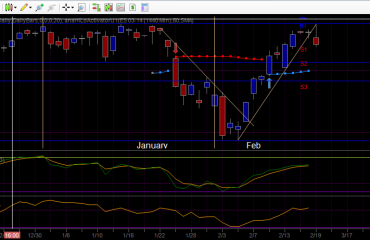
My short term view is that the SPX could trade lower and it does not find a reason to do so, we traded to ATH and now it is the waiting game…
For decades, the 60/40 portfolio—60% equities and 40% bonds—has been a cornerstone of investment strategy, offering a balanced approach to growth and stability. However, in today’s dynamic financial landscape, marked by persistent inflation, rising interest rates, and shifting market correlations, this traditional model is showing its limitations. A recent Cboe Insights post, “Redefining Portfolio Resilience Beyond the 60/40 Allocation,” proposes a modernized framework to enhance portfolio resilience. Let’s explore why the 60/40 model is under pressure and how a reimagined approach can better navigate today’s challenges.
Here are the Charts:
https://www.cboe.com/insights/posts/redefining-portfolio-resilience-beyond-the-60-40-allocation
The Challenges Facing the 60/40 Portfolio
The 60/40 allocation was built on the premise that equities provide growth while bonds offer stability and diversification. Historically, the negative correlation between stocks and bonds ensured that when equities faltered, bonds would cushion the blow. However, recent market dynamics have disrupted this balance. According to Cboe, rising inflation and interest rates have reduced the effectiveness of bonds as a hedge, while stock-bond correlations have become less predictable. These factors expose the 60/40 portfolio to greater volatility and diminished returns, particularly in environments where both asset classes underperform simultaneously.
Moreover, investor behavior plays a critical role. Market downturns often trigger emotional decisions, leading to poorly timed exits that lock in losses. A resilient portfolio must not only withstand market shocks but also inspire confidence to help investors stay the course. This is where the traditional 60/40 model falls short, prompting a need for innovation.
A Modernized Portfolio for Today’s MarketsCboe’s proposed framework redefines portfolio construction by integrating alternative strategies and leveraging real-time market signals. The modern portfolio retains the spirit of balance but adapts to contemporary challenges through four key pillars:
- Equity Exposure with Options Overlays: Equities remain essential for long-term growth, but options-based strategies, such as protective puts or covered calls, can enhance downside protection and generate income. These overlays allow investors to maintain higher equity allocations with reduced risk.
- Trend-Following Strategies: By dynamically adjusting risk exposure based on market trends, trend-following approaches mitigate losses during downturns while capturing upside in favorable conditions. This flexibility is a significant upgrade over static bond allocations.
- Tax-Optimized Implementation: Tax efficiency is critical for maximizing after-tax returns. Strategies like options-based collars or put-writing can be structured to minimize tax liabilities, preserving more wealth for investors.
- Real-Time Market Signals: Incorporating indicators like the Cboe Volatility Index (VIX) enables portfolios to adapt to changing market conditions. For example, a Dynamic PutWriting strategy adjusts allocations based on VIX levels (e.g., below 20 or trending downward), improving consistency and risk management.
A Sample Modern Allocation
Cboe suggests replacing the 60/40 model with a diversified, options-enhanced portfolio. One example allocation includes:
- 60% S&P 500 Trend-Following Strategy: Captures equity growth while dynamically managing risk.
- 20% Dynamic PutWriting Strategy: Generates income and stabilizes returns using VIX-based signals.
- 20% Cboe 95/110 Collar: Protects against quarterly losses beyond 5% while capping gains at 10%, offering a balanced risk-reward profile.
Since the VIX Index’s inception in 1993, this modern portfolio has delivered returns comparable to or slightly better than the 60/40 model, with significantly improved downside protection and tax efficiency. Notably, it achieves these results without relying on traditional fixed income, making it well-suited to environments where bonds underperform.Why This Matters for InvestorsThe modernized portfolio offers several advantages:
- Enhanced Resilience: Options and trend-following strategies provide robust protection against market volatility, reducing the likelihood of significant drawdowns.
- Behavioral Discipline: By smoothing returns and limiting losses, the portfolio helps investors avoid panic-driven decisions during turbulent markets.
- Flexibility: Real-time signals and dynamic allocations ensure the portfolio adapts to evolving economic conditions, unlike the rigid 60/40 framework.
- Tax Efficiency: Optimized strategies preserve more wealth, a critical consideration for long-term investors.
Actionable Takeaways
For investors and advisors looking to implement a modernized portfolio, consider the following steps:
- Evaluate Current Allocations: Assess how your portfolio would perform under scenarios like rising rates or increased stock-bond correlation.
- Explore Options Strategies: Work with a financial advisor to incorporate protective puts, collars, or put-writing strategies that align with your risk tolerance.
- Incorporate Market Signals: Use tools like the VIX to inform allocation decisions, ensuring your portfolio remains responsive to market conditions.
- Prioritize Tax Efficiency: Review the tax implications of your investments and explore strategies to minimize liabilities.
- Stay Disciplined: Build a portfolio that aligns with your long-term goals and provides the confidence to weather market storms.
Conclusion
The 60/40 portfolio has served investors well, but its limitations in today’s markets call for a bold rethink. By blending equities, options overlays, trend-following strategies, and real-time market signals, the modern portfolio proposed by Cboe offers a resilient, adaptable, and tax-efficient alternative. As financial markets continue to evolve, embracing innovation in portfolio construction will be key to achieving sustainable returns and maintaining investor confidence.For more details on this approach, read the full Cboe Insights article here. To explore how these strategies can enhance your portfolio, consult with a financial professional who specializes in options and dynamic asset allocation.