In summary, SoftBank’s sale reflects a strategy to reallocate resources and finance bigger bets in AI, not necessarily a permanent exit from Nvidia, though it adds nervousness about the sustainability of AI-driven tech sector valuations. On November 11, 2025, SoftBank Group sold its entire Nvidia stake for $5.8 billion, shaking stock markets and stirring fears that the artificial intelligence boom may have peaked. The Japanese company reported in its quarterly results that it sold 32.1 million Nvidia shares in October to fund CEO Masayoshi Son’s ambitious AI push focused on OpenAI, creator of ChatGPT.
SoftBank needs these funds for projects including the $500 billion Stargate initiative to expand U.S. data center capacity for AI and about $40 billion pledged to OpenAI. However, the timing of the sale raised investor doubts about whether AI sector valuations were becoming disconnected from fundamentals.
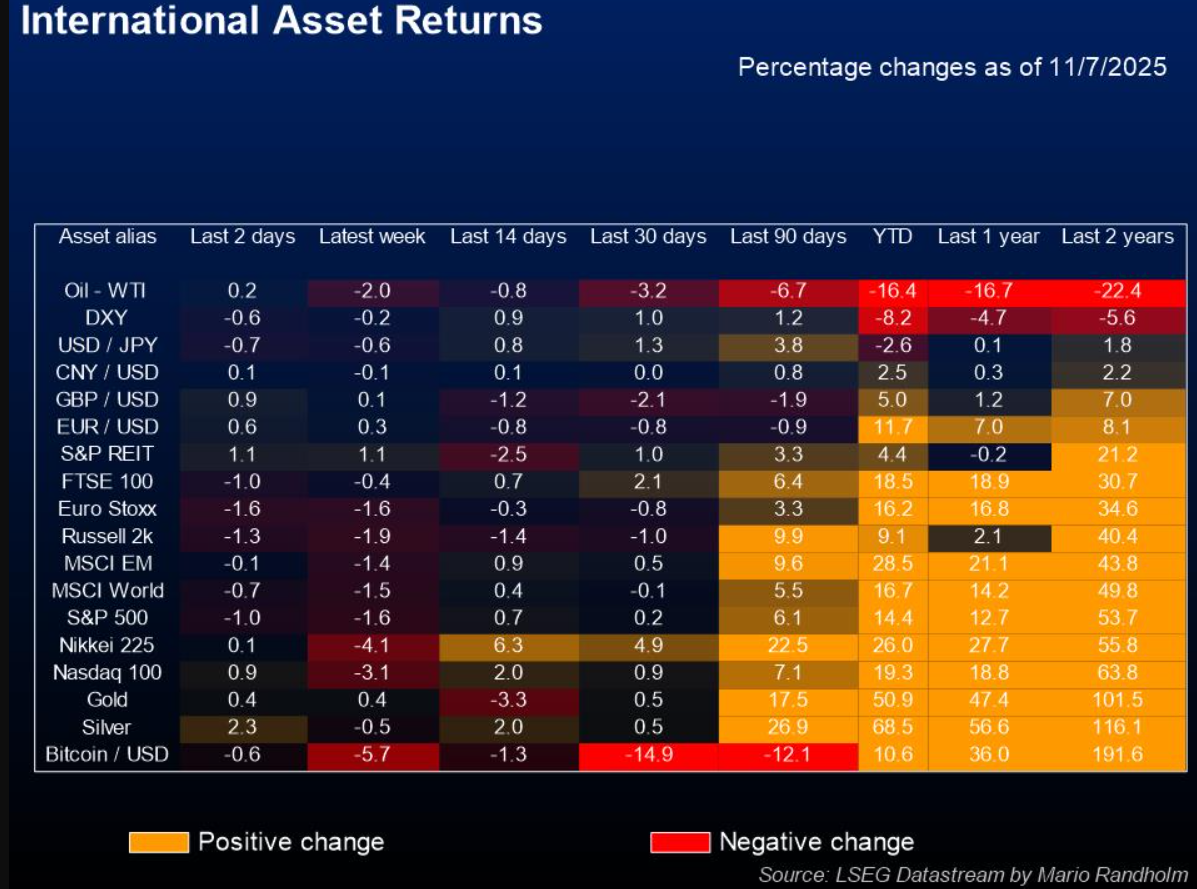
Nvidia’s shares fell 1.7% in premarket trading, affecting futures on the U.S. market. This followed a revenue forecast cut by AI cloud provider CoreWeave, whose stock dropped 7%. Fears of an AI bubble intensified after warnings from major bank CEOs and short bets by Michael Burry against Nvidia and Palantir.
Analysts see the sale as a sign Son anticipates a cooldown in Nvidia’s spectacular rally, which saw the company become the first to reach a $5 trillion valuation after a 1,200% surge in three years. Some recalled SoftBank’s uneven Nvidia management, having sold shares in 2019 before the AI boom and buying back later.
Overall, the sale reflects SoftBank reallocating resources toward broader AI goals while market concerns about tech valuation sustainability grow
O the other news of the day is… US aircraft carrier Gerald R. Ford arrives in Latin America