
Trade Alert
Long-term rates are not the primary problem, while the Federal Reserve is expanding the money supply too quickly. For equities, that distinction matters. Higher rates are usually a valuation headwind, but abundant liquidity can support risk appetite, credit availability and asset prices. Banks will want to lend at higher rates to those that need it the most. Conversely, easy money does not guarantee rising stocks if inflation pushes real yields higher or earnings deteriorate. 2. Core transmission channels: The textbooks tend to teach us that: 3. Key nuances and regime dependence: Each time is different… remember we can’t predict other participants future actions with great accuracy. Three distinctions matter: What make this case too unique for a simple model: The critical question is whether money and credit conditions are supporting risk-taking or whether rising real yields are tightening the effective cost of capital. 4. Practical implication for positioning:
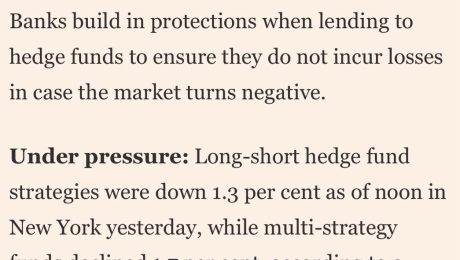
“This is the kind of risk management the market should expect right now. It’s pretty basic stuff,” said a person close to one of the banks. Link to the article… https://x.com/mariorandholm/status/2082358902788599811?s=46 The person said many of the demands were automatically triggered by market volatility. Banks build in protections when lending to hedge funds to ensure
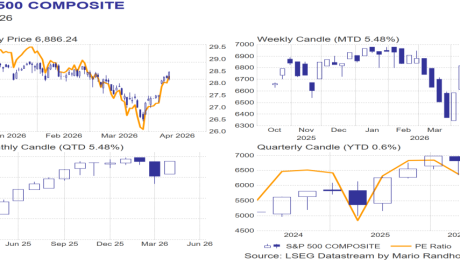
Two sides could return to Pakistan by week’s end. Bearish themes that used to dominate simply aren’t present anymore. Equity markets are looking strong month-to-date, showing solid momentum. We’re currently up about 5.5% for the month as of yesterday’s close, and roughly flat year-to-date at +0.5%. The last 10 trading days have been especially positive,
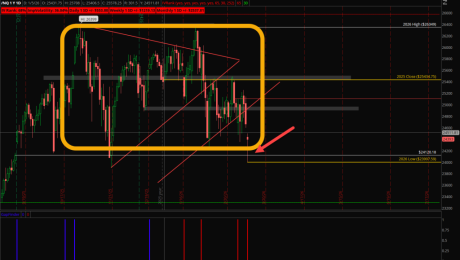
Market volatility is heating up amid escalating tensions in the Middle East, and savvy investors are taking note. Last week, the S&P 500 closed below its balance range bottom, dipping about 1% on Monday before a choppy ride: gaps down followed by higher closes on Tuesday and beyond. Friday’s payroll data hammered home the weakness—February
In summary, SoftBank’s sale reflects a strategy to reallocate resources and finance bigger bets in AI, not necessarily a permanent exit from Nvidia, though it adds nervousness about the sustainability of AI-driven tech sector valuations. On November 11, 2025, SoftBank Group sold its entire Nvidia stake for $5.8 billion, shaking stock markets and stirring fears